
Get Residential Air Testing in Austin, TX
Residential air testing services identify issues like mold, allergens, and indoor air quality concerns for property owners in Austin, TX, and nearby areas.
Residential air testing services are essential for property owners in Austin, TX who want to ensure their indoor environments are healthy and comfortable. By identifying issues such as mold, allergens, or air quality contaminants, these tests help maintain a safe living space, especially in the humid Texas climate. Proper testing can also reveal hidden problems that might affect the durability of the home’s structure or the functionality of HVAC systems, allowing for timely solutions that prevent costly repairs down the line.
Choosing professional air testing can lead to several practical benefits. It can improve overall comfort by ensuring indoor air remains clean and free of pollutants, while also enhancing safety by detecting potential health hazards early. Additionally, accurate testing supports efforts to reduce maintenance needs, as addressing air quality issues promptly can prevent the buildup of damaging substances. Improved indoor air quality can also boost curb appeal, as a well-maintained, healthy home often appears more inviting and well-cared-for to visitors and potential buyers.
- Indoor air quality testing - individuals experiencing unexplained allergies or respiratory issues may need air testing to identify potential contaminants.
- Radon testing services - homeowners in areas with elevated radon levels may require testing to assess indoor radon concentrations.
- Mold testing and inspection - property owners noticing mold growth or musty odors might seek testing to determine mold presence and extent.
- Ventilation system testing - residents concerned about poor airflow or stale indoor air may need evaluations of their ventilation systems.
- Air leakage and infiltration testing - those aiming to improve energy efficiency or detect drafts may require testing for air leaks in residential buildings.

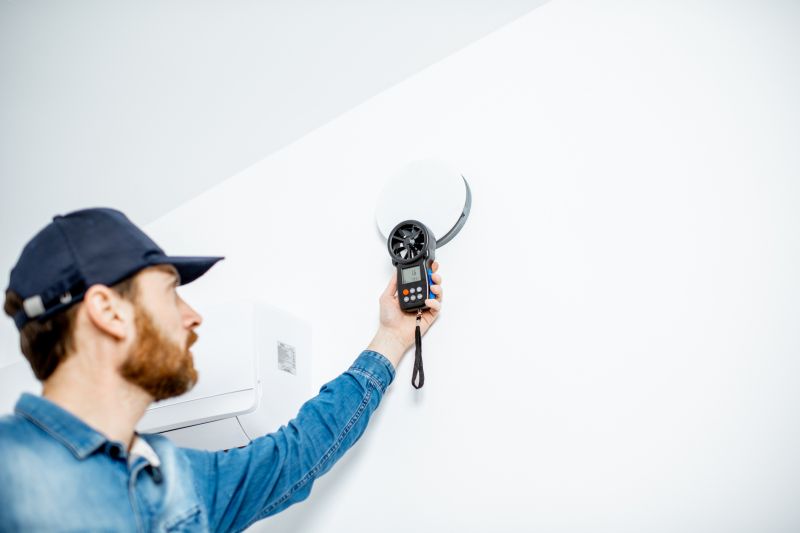
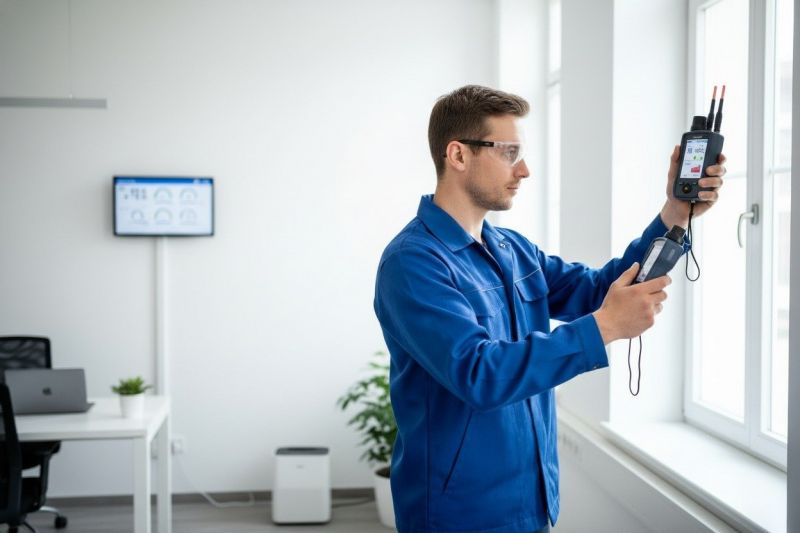
Residential air testing services involve evaluating the quality of indoor air within a property. These assessments typically include sampling the air for common contaminants such as mold spores, volatile organic compounds (VOCs), allergens, and other airborne pollutants. The process helps identify potential sources of indoor air issues and provides data that can inform necessary improvements or remediation efforts. By analyzing the air quality, homeowners and property managers can gain insights into the health and safety of indoor environments, ensuring that the air residents breathe is safe and free from harmful substances.
These services are particularly useful in addressing problems related to indoor air quality concerns, such as persistent odors, allergy symptoms, respiratory issues, or visible mold growth. Testing can reveal hidden sources of contamination that may not be immediately apparent, such as mold hidden behind walls or VOC emissions from building materials. Identifying these issues early can prevent further health complications and property damage. Residential air testing also aids in verifying the effectiveness of cleaning or remediation efforts, ensuring that indoor environments remain safe over time.
Properties that typically utilize air testing services include single-family homes, multi-unit residential buildings, apartments, condominiums, and townhouses. Older homes with signs of mold, water intrusion, or poor ventilation often benefit from testing to assess potential health risks. New construction or renovated properties may also undergo air testing to confirm that building materials and finishes are not releasing harmful pollutants. Additionally, homes with occupants experiencing unexplained health symptoms or persistent odors frequently seek these services to identify underlying air quality issues.
Engaging with local service providers for residential air testing offers a way to obtain accurate assessments tailored to specific property needs. These professionals use specialized equipment and techniques to collect and analyze air samples, providing detailed reports that highlight areas of concern. Property owners and managers can then use this information to determine appropriate next steps, whether that involves targeted cleaning, ventilation improvements, or remediation. Connecting with experienced local pros ensures that air quality evaluations are thorough and aligned with the unique characteristics of each residence.
The overview below groups typical Residential Air Testing projects into broad ranges so you can see how smaller, mid-sized, and larger jobs often compare in Austin, TX.
In many markets, a large share of routine jobs stays in the lower and middle ranges, while only a smaller percentage of projects moves into the highest bands when the work is more complex or site conditions are harder than average.
Initial Testing - The cost for basic residential air testing typically ranges from $200 to $500, depending on the size of the home and the complexity of the test. For example, a standard test in a 1,500-square-foot house might fall within this range.
Comprehensive Assessments - More detailed air quality assessments can cost between $500 and $1,200. These often include multiple tests and detailed reports to identify various indoor air issues.
Additional Sampling - If multiple samples or specialized testing are needed, costs can increase to $1,000 or more. For instance, testing for specific pollutants like mold or allergens may add to the overall expense.
Follow-up Testing - Post-remediation testing to verify improvements generally costs between $150 and $400 per session. This helps ensure indoor air quality standards are met after interventions.
Actual totals will depend on details like access to the work area, the scope of the project, and the materials selected, so use these as general starting points rather than exact figures.
Indoor Air Quality Testing - Professionals can assess indoor air quality to identify potential issues affecting health and comfort in residential spaces.
Ventilation System Evaluation - Service providers evaluate and test ventilation systems to ensure proper airflow and reduce indoor pollutants.
Mold and Moisture Testing - Local pros conduct testing to detect mold presence and moisture problems that may impact indoor air quality.
Air Duct Testing and Inspection - Experts evaluate ductwork to identify leaks, blockages, or contamination that could affect air quality.
Radon Testing Services - Service providers perform radon testing to detect hazardous gas levels that may be present in residential environments.
HVAC System Testing - Professionals test HVAC systems to ensure they operate efficiently and do not contribute to indoor air quality issues.

When selecting a residential air testing service, it’s important to consider the experience of the local professionals. Experienced providers typically have a thorough understanding of various testing methods and the nuances of different home environments. They can accurately identify potential issues and recommend appropriate solutions. Homeowners should look for service providers who clearly outline their process and demonstrate a history of reliable work within their community, ensuring they have the knowledge necessary to handle specific testing needs effectively.
Clear communication and well-defined expectations are vital when working with local air testing specialists. Reputable providers often specify what homeowners can expect during the testing process, including preparation steps, what the testing involves, and how results will be delivered. Transparent communication helps prevent misunderstandings and ensures that homeowners are well-informed throughout the service, making the experience smoother and more straightforward.
Reputable references and a strong local reputation can serve as valuable indicators of a provider’s quality. Homeowners are encouraged to seek out service providers with positive feedback from previous clients and a consistent track record in the community. This can help gauge the professionalism and reliability of the local pros. Since the information below introduces options rather than performs the work, homeowners should contact multiple providers to compare their experience, communication style, and references to find the best fit for their residential air testing needs.
Property owners in Austin, TX use Residential Air Testing services for practical projects around their homes and businesses. The sections below highlight everyday jobs and straightforward project options.
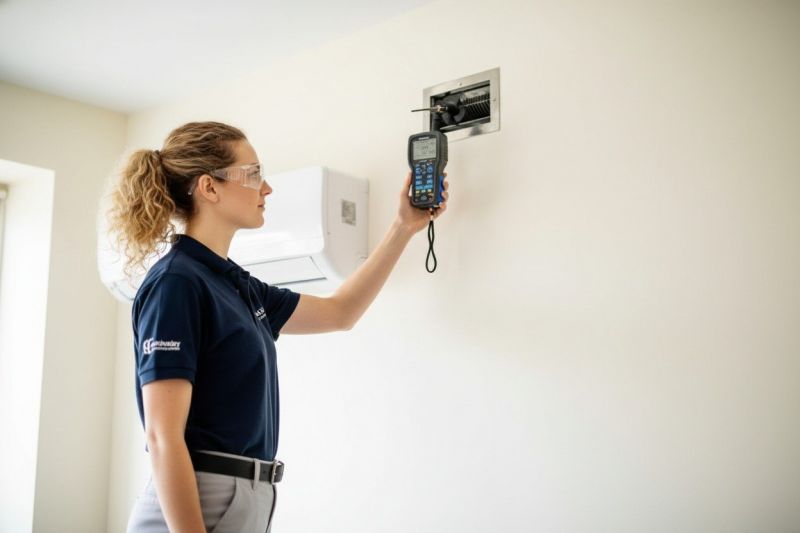
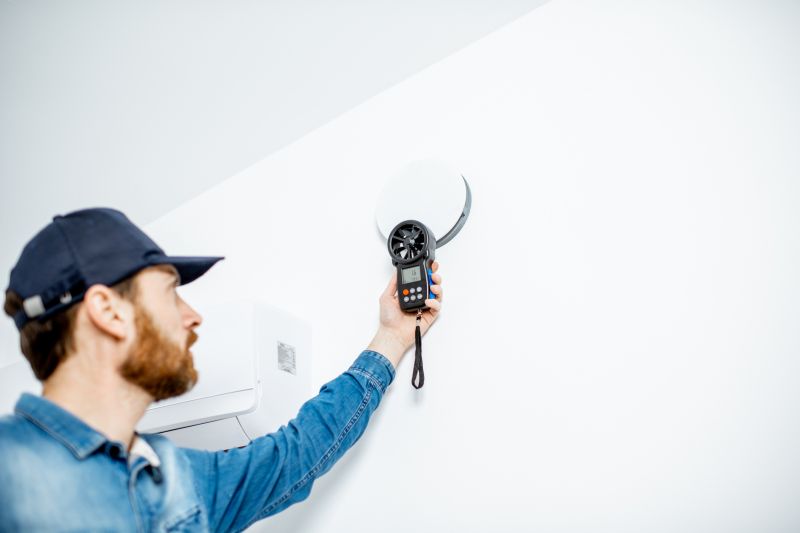
Residential air testing services are often sought by property owners in Austin, TX, who notice persistent odors, indoor air quality concerns, or unexplained allergies. These tests can help identify potential sources of airborne contaminants, such as mold, volatile organic compounds (VOCs), or allergens, ensuring a healthier living environment. Homeowners may also consider air testing when purchasing a new property or after renovations to confirm that indoor air conditions meet safety standards.
Additionally, property owners might request air testing services if they suspect issues related to ventilation, humidity levels, or hidden mold growth in areas like basements or attics. Detecting and addressing indoor air quality problems early can prevent long-term health effects and costly repairs. Local service providers can assist with comprehensive testing tailored to specific concerns, helping residents maintain safe and comfortable homes.
What is residential air testing? Residential air testing involves evaluating the quality of indoor air to identify potential pollutants, allergens, or contaminants within a home.
Why should homeowners consider air testing? Homeowners may consider air testing to detect issues like mold, radon, or airborne allergens that could affect health or indoor air quality.
How is residential air testing performed? Local service providers typically use specialized equipment to collect air samples, which are then analyzed to determine the presence of specific pollutants.
How often should air testing be conducted? The frequency of air testing varies based on concerns or symptoms, but consulting with local professionals can help determine appropriate timing.
Can air testing identify all indoor air problems? While air testing can detect many common issues, some problems may require additional inspections or specialized testing by local experts.
Indoor Air Quality Testing - Local service providers can assess indoor air quality to identify pollutants and allergens that may affect health.
Radon Testing Services - Professionals offer radon testing to detect elevated levels that could pose health risks within residential properties.
Mold Testing Solutions - Experts can evaluate indoor environments for mold presence, helping homeowners address potential moisture issues.
Air Purity Assessments - Service providers perform air testing to determine the effectiveness of filtration systems and improve overall air quality.
Considering Residential Air Testing for a property in Austin, TX? The sections above highlight common project types, practical options, and details that often shape the scope of work.
When you are ready, use the quote form to share a few details about your project. Local pros can review the basics and respond with options that match what you have in mind.